Blown-in vs. batts
Both work. They're not interchangeable. Here's how to pick.
What you'll learn
- Why blown-in is faster and cheaper for retrofit attics
- When batts win (open framing in additions, ceilings with limited depth)
- How dense-pack cellulose handles closed wall cavities
- Why fiberglass loose-fill needs more depth than cellulose for the same R
Step by step
- For attic top-up on a flat ceiling: blown-in cellulose is the standard.
- For new construction or open framing: batts are simpler and code-compliant.
- For closed walls in retrofit: dense-pack cellulose, drilled and filled.
- For tight depth (low-pitch attic): use cellulose for higher R per inch.
- For damp climates: consider fiberglass over cellulose to limit moisture absorption.
Safety note
Settled cellulose at R-15 still does R-15 of work. Old material is rarely worth removing if it is clean.
Rather have a pro handle it?
Same-day electrical service across San Diego County. A real electrician picks up.
More guides
Keep learning.
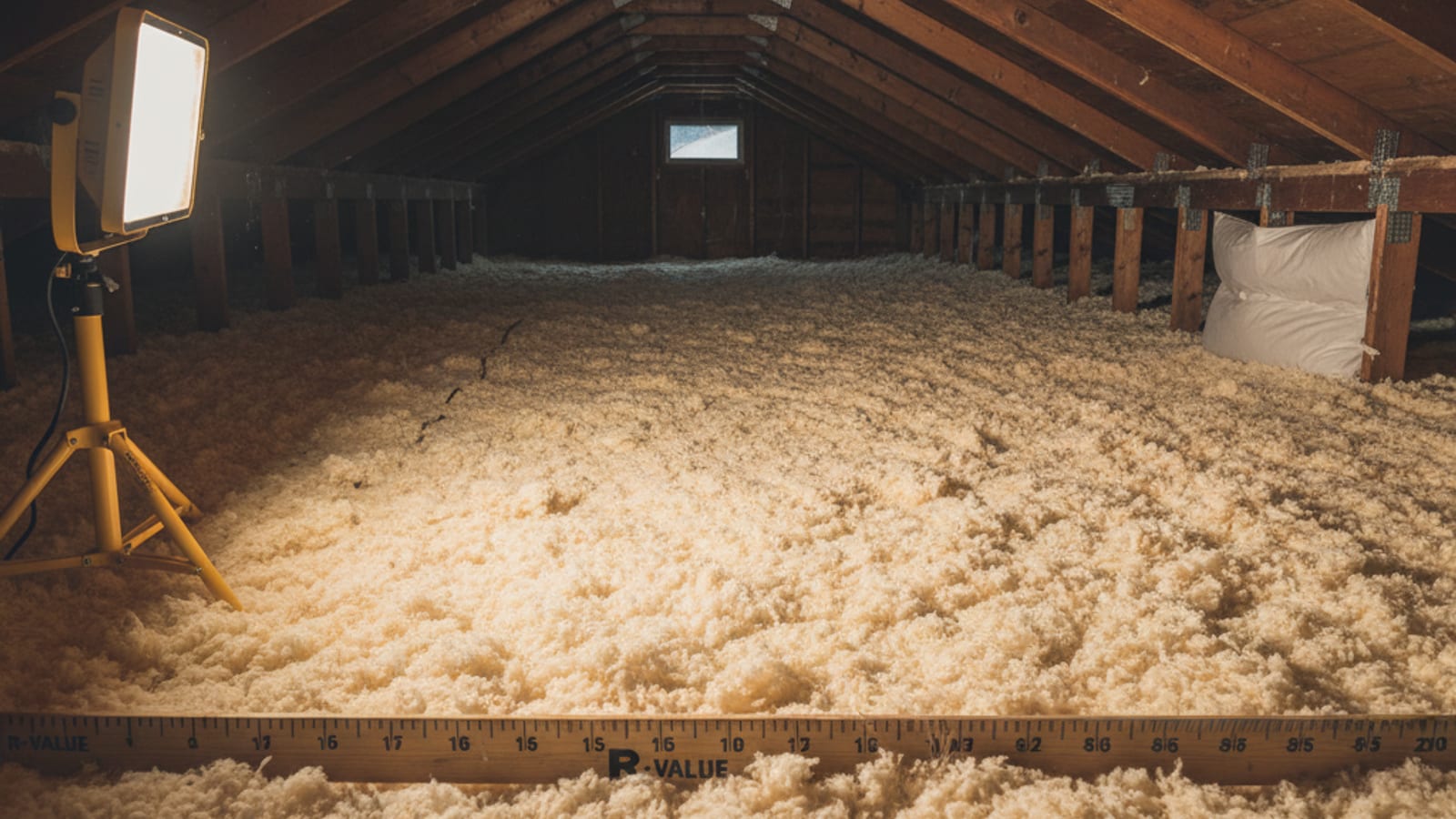
Basics · 6 min watch
Attic insulation basics
What R-value, depth, and product matter for a typical San Diego attic.
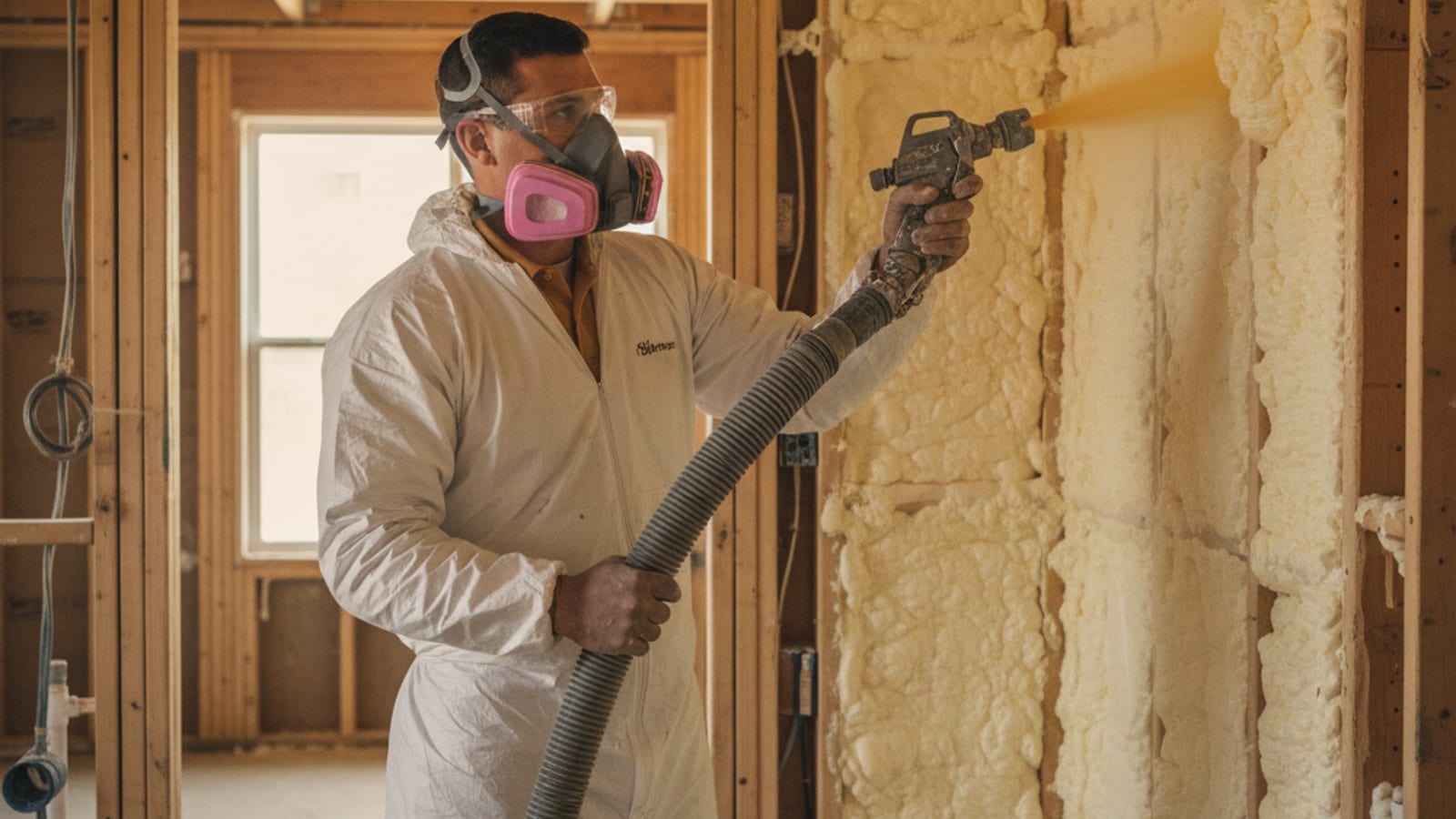
Basics · 7 min watch
Spray foam, explained
Open-cell vs. closed-cell, where each one earns its premium, and where cellulose is the better answer.
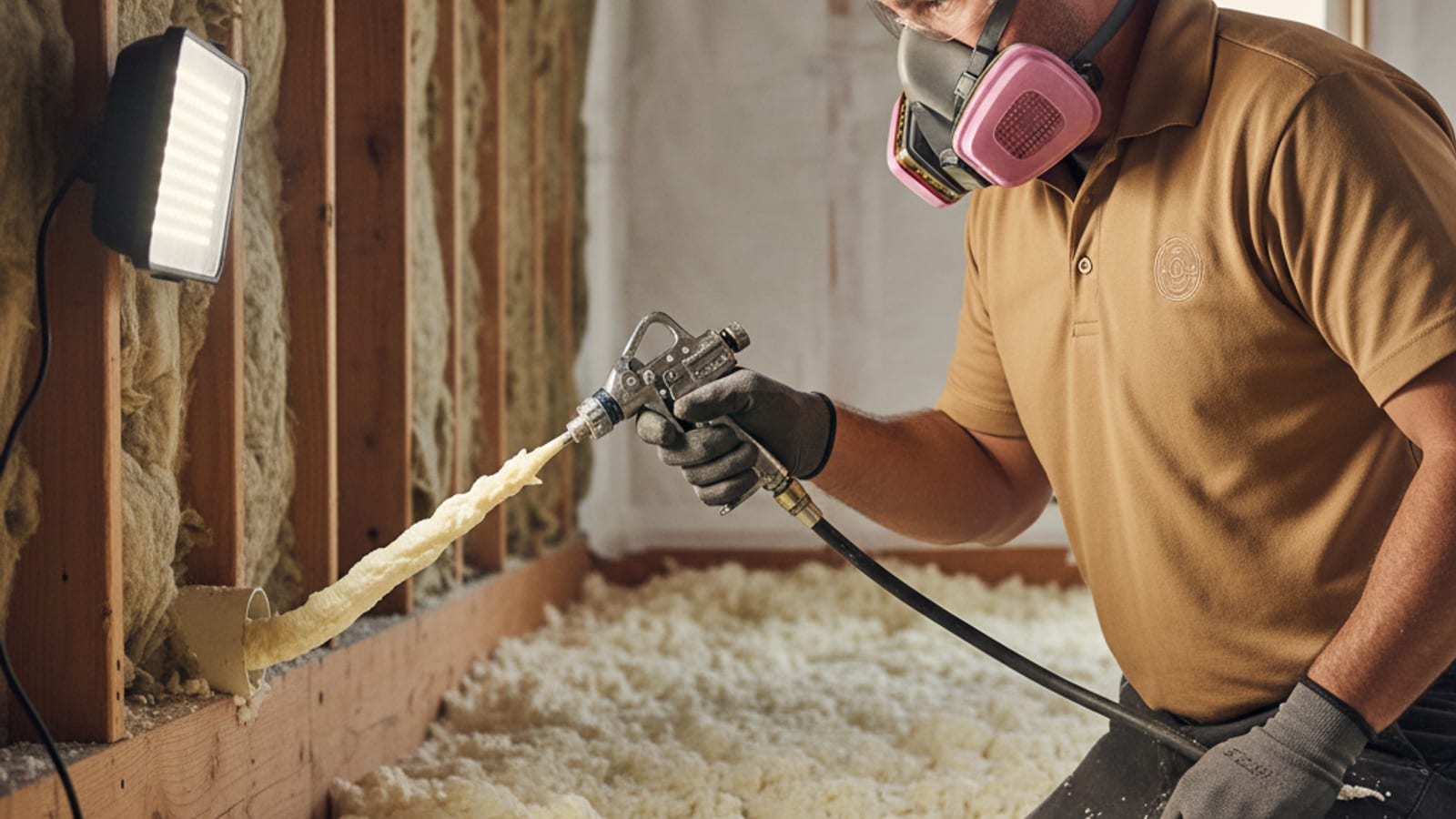
Maintenance · 5 min watch
Air-sealing the house
The high-leverage leaks in a typical San Diego home and what fixing them does.