Spray foam, explained
Open-cell vs. closed-cell, where each one earns its premium, and where cellulose is the better answer.
What you'll learn
- The R-value difference (open-cell R-3.7/in vs. closed-cell R-6.5/in)
- When closed-cell is worth the premium (rim joists, unvented decks)
- When open-cell wins (interior walls, sound, lower cost)
- When cellulose beats both spray foams on cost-per-R
Step by step
- Identify the assembly (vented attic floor, unvented roof deck, wall cavity, rim joist).
- Determine if vapor control matters in that location.
- Calculate cost-per-R for each candidate product.
- Pick spray foam where air-seal-plus-insulation in one step matters.
- Pick cellulose for attic floors where loose-fill performs as well at a fraction of the cost.
Safety note
If a contractor recommends spray foam for every assembly without explaining why, get a second quote. Most homes need a mix.
Rather have a pro handle it?
Same-day electrical service across San Diego County. A real electrician picks up.
More guides
Keep learning.
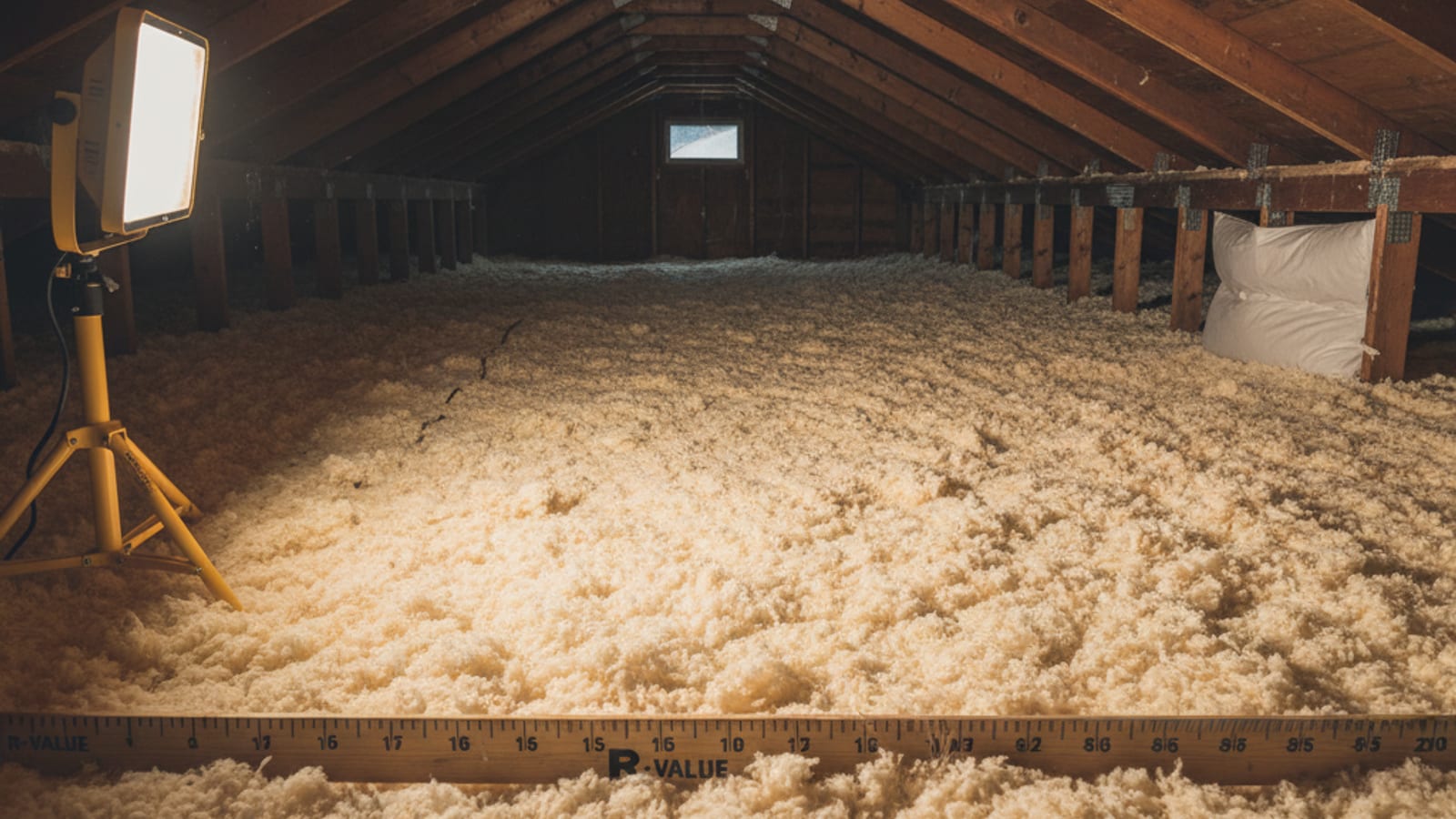
Basics · 6 min watch
Attic insulation basics
What R-value, depth, and product matter for a typical San Diego attic.
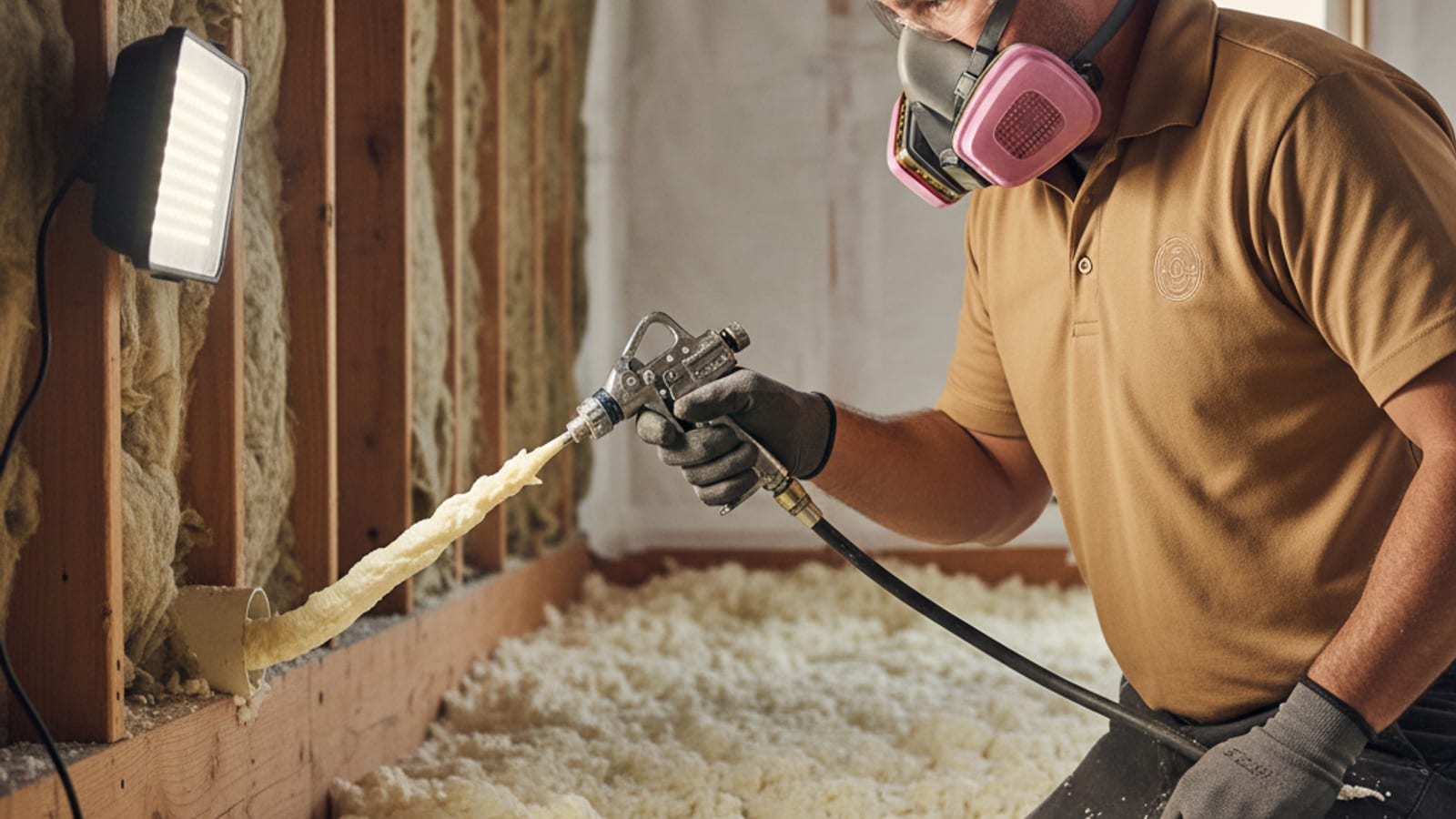
Maintenance · 5 min watch
Air-sealing the house
The high-leverage leaks in a typical San Diego home and what fixing them does.
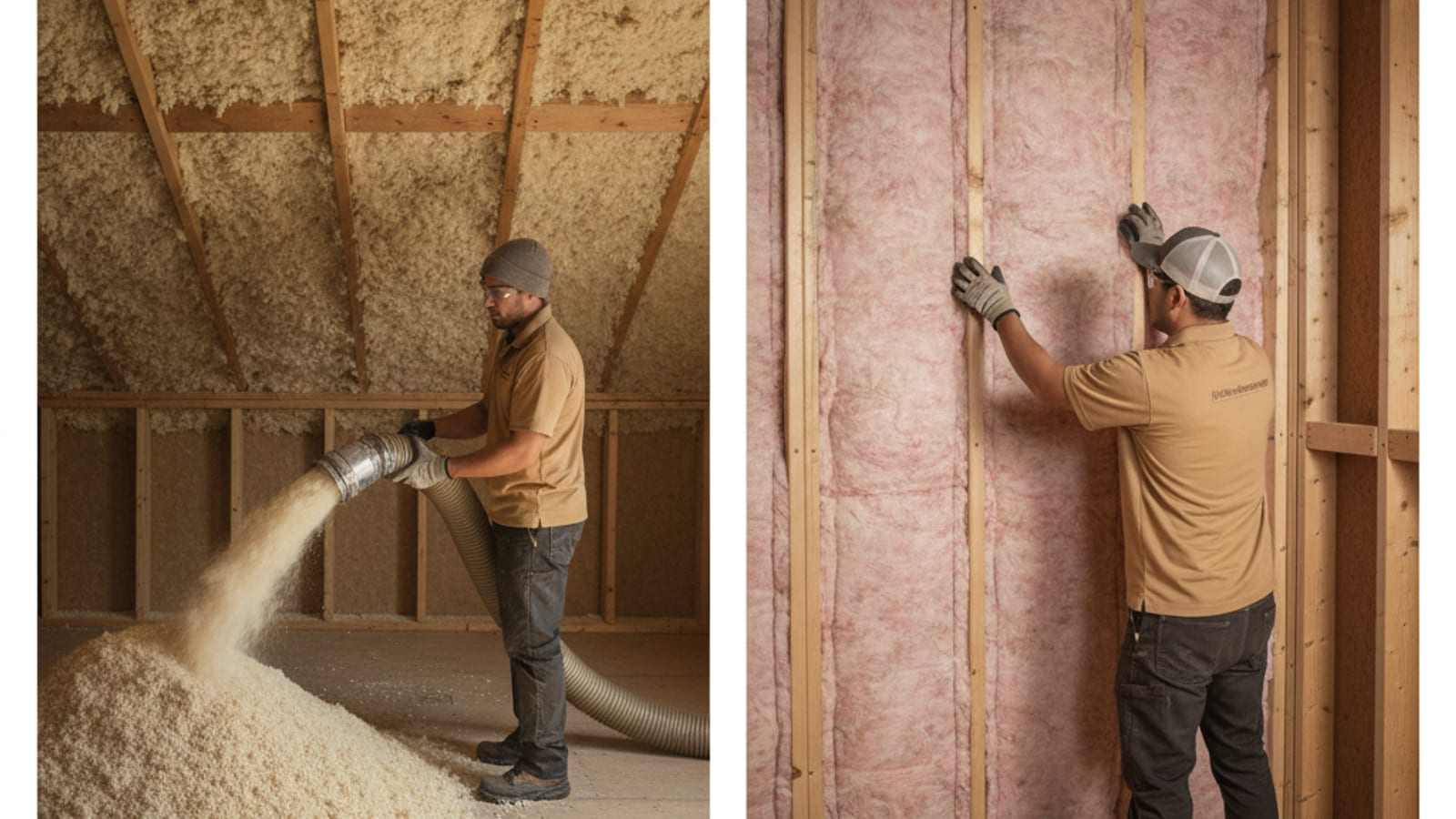
Basics · 4 min watch
Blown-in vs. batts
Both work. They're not interchangeable. Here's how to pick.